Sleep clinic for adults and children · London and Surrey

Sleep is where your body repairs itself

Levitas Sleep finds out why you are not sleeping well, tracks your sleep night by night for up to 30 days at home, and builds an evidence-led plan that links sleep to your hormones, gut, weight, mood and long-term health.

What makes us different

A real-time 30-day sleep study

Most sleep tests record one or two nights. With the Empower sleep device we follow your sleep every night for 30 days, so we can see exactly which changes help you, and adjust your plan as we go.

Free sleep check

How well are you sleeping?

Answer a few quick questions about the past month to get your sleep score and our recommended next step. It takes about two minutes.

This sleep check is a simple guide developed by Levitas. It is not a diagnosis and does not replace a consultation with a clinician.

The science of sleep

The different types of sleep

Sleep is not one state. Each night you move through cycles of about 90 minutes, four to six times. Each type of sleep does a different job, so good sleep means getting enough of every stage, not just enough hours.

AwakeREMLightCoreDeep11pm12am1am2am3am4am5am6am7amCYCLE 1CYCLE 2CYCLE 3CYCLE 4CYCLE 5Most deep sleep comes in the first half of the nightREM periods lengthen towards morning
  • Light sleep 6%
  • Core sleep 49%
  • Deep sleep 22%
  • REM sleep 23%
  • Time awake 26 min of 8 hours in bed
An example night, illustrating typical adult sleep. Your own pattern is measured night by night with the Empower 30-day sleep study.

Light sleep

Stage N1 · about 5% of the night

The doorway into sleep, lasting a few minutes. Muscles relax, breathing slows and you are easily woken. Too much light sleep is a sign that sleep is broken up, for example by sleep apnoea.

Core sleep

Stage N2 · about 50%

Heart rate and temperature fall. Short bursts of brain activity called sleep spindles help store memories and learning, and protect sleep from noise.

Deep sleep

Stage N3 · about 15 to 25%

The body's main repair time. Growth hormone is released, tissues and muscles repair, the immune system is strengthened and the brain clears waste. Deep sleep is concentrated early in the night and naturally falls with age.

Dreaming sleep

REM · about 20 to 25%

The brain is highly active while the body is still. REM sleep processes emotions, strengthens memory and supports creativity and mood. REM periods lengthen towards morning, so cutting sleep short loses the most REM.

What disrupts each stage

Alcohol reduces REM sleep and breaks up the second half of the night; sleep apnoea repeatedly pulls you out of deep and REM sleep; stress keeps sleep light; and late caffeine reduces deep sleep. Children and teenagers need more deep sleep for growth and development. The Empower 30-day sleep study shows how much time you spend in each stage, night by night.

Who we help

Conditions we assess and treat

Adults

  • Insomnia: trouble falling asleep, staying asleep, or waking too early
  • Snoring and suspected obstructive sleep apnoea
  • Mouth breathing during sleep
  • Daytime tiredness and fatigue
  • Shift work, jet lag and body-clock problems
  • Restless legs
  • Sleep disrupted by menopause or low testosterone
  • Sleep linked to stress, low mood or anxiety
  • Unrefreshing sleep despite enough hours

Children and teenagers

  • Snoring, mouth breathing and disturbed breathing at night
  • Difficulty settling, night waking and early waking
  • Sleep problems linked to ADHD and autism
  • Low mood, irritability and anxiety linked to poor sleep
  • Teenage body-clock delay
About our children's sleep team

Causes and consequences

Why poor sleep affects your whole body

We label every claim by the strength of the evidence behind it, so you know what is proven and what is still being studied.
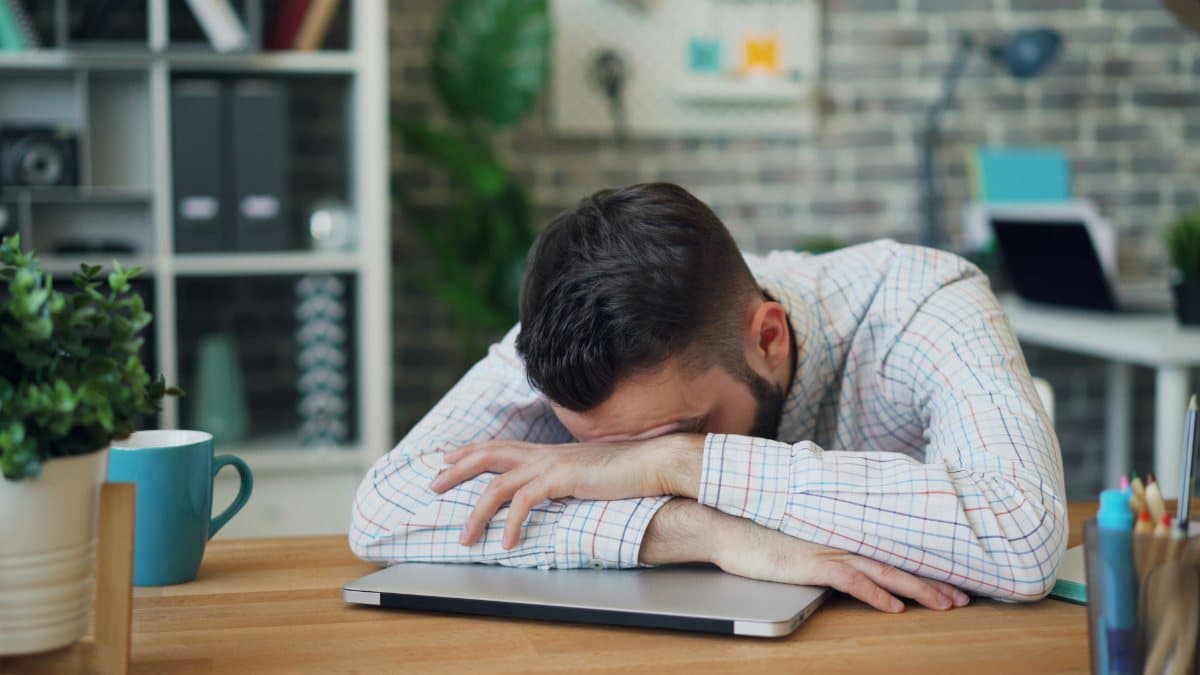
Man asleep with his head on his arms at a desk

Common causes

  • Stress and an overactive nervous system
  • Sleep apnoea, snoring and mouth breathing
  • Hormone changes, including menopause, low testosterone and thyroid problems
  • Weight gain around the neck and abdomen
  • Alcohol, caffeine, late meals and evening screens
  • Shift work and irregular routines
  • Pain, reflux, night-time urination, some medicines and low iron
Close-up 3D render of glass molecules
Good to strong evidence

Sleep and hormones

  • Short sleep lowers testosterone and disturbs the daily cortisol rhythm
  • Poor sleep raises the hunger hormone ghrelin and lowers the fullness hormone leptin
  • A few nights of poor sleep reduce insulin sensitivity
  • Growth hormone is released mainly in deep sleep
  • Menopause and low testosterone also worsen sleep, creating a two-way cycle
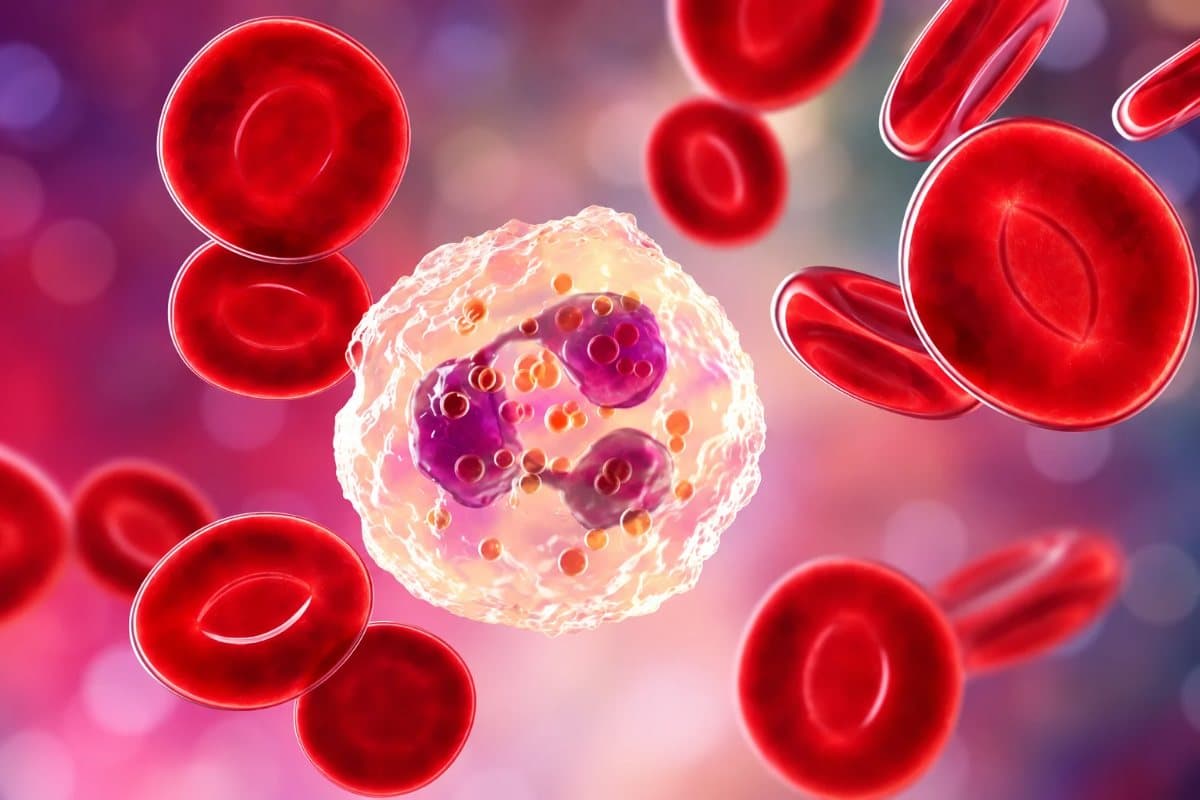
Illustration of a white blood cell among red blood cells
Good evidence

Sleep and inflammation

  • Ongoing short or broken sleep is linked to higher inflammatory markers such as CRP and IL-6
  • Inflammation is a shared driver of many long-term diseases, and may worsen autoimmune and inflammatory conditions
Woman making a heart shape with her hands over her stomach
Emerging evidence

Sleep and gut health

  • Poor sleep and a disrupted body clock are linked to changes in the gut microbiome
  • Sleep loss may increase gut permeability and digestive symptoms
  • The gut may also influence sleep through the gut-brain axis

Mostly early and observational studies. This is a developing area.

Yellow warning sign with an exclamation mark against a blue sky
Strong evidence

Long-term risks

  • Heart disease, high blood pressure and stroke, especially with untreated sleep apnoea
  • Type 2 diabetes and weight gain
  • Atrial fibrillation
  • Depression and anxiety
  • Road and workplace accidents
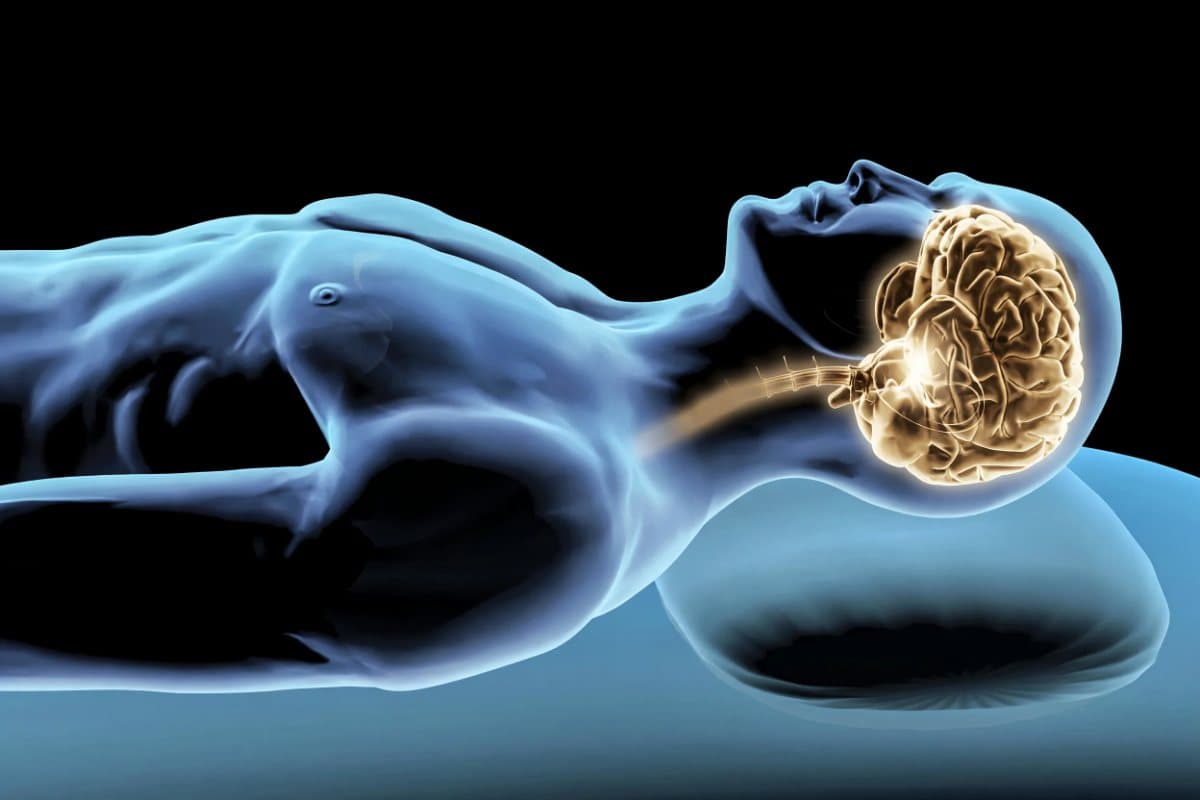
X-ray style illustration of a sleeping person with a glowing brain
Emerging evidence

Sleep and the brain

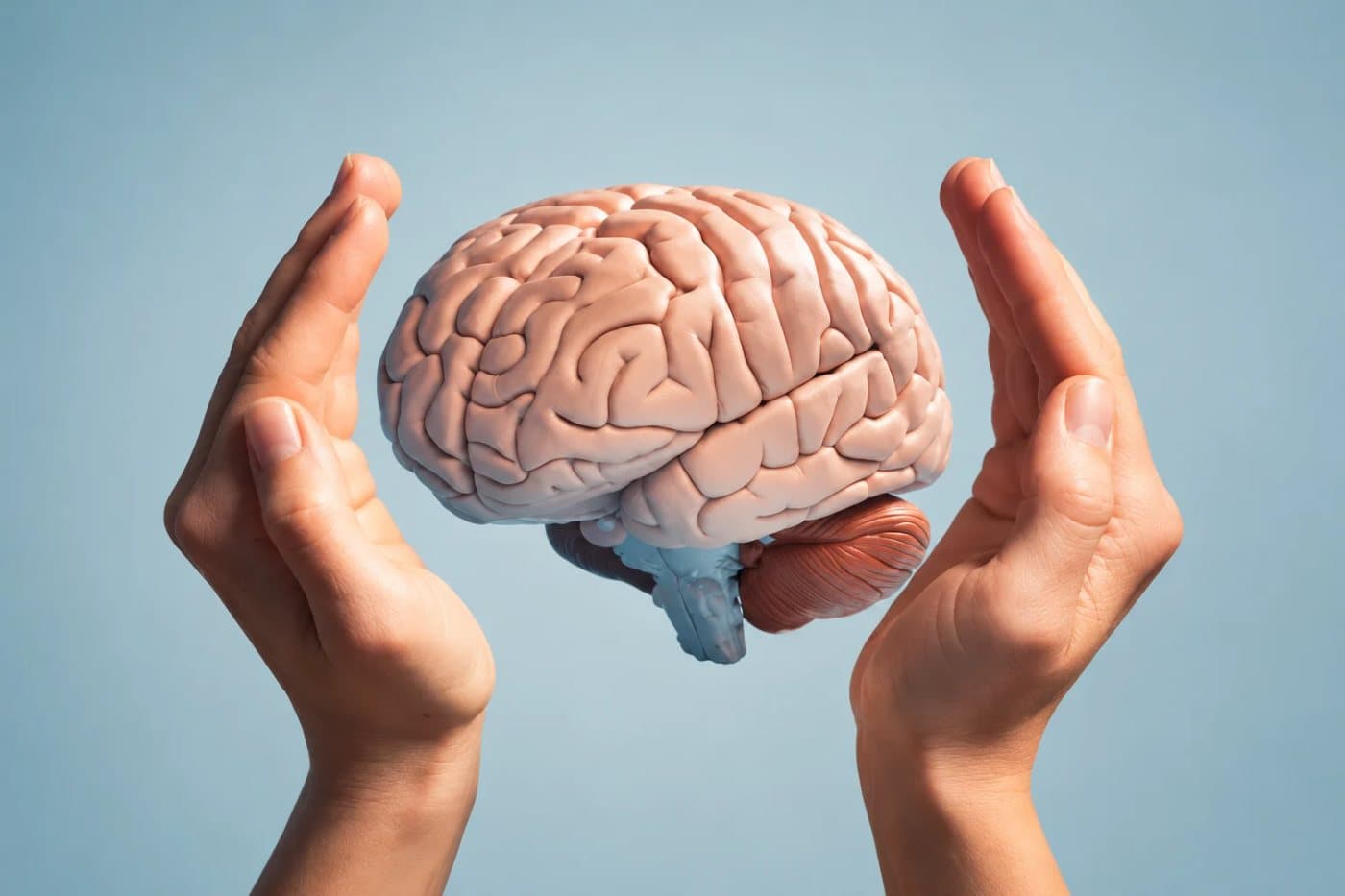
  • During deep sleep the brain clears waste, including amyloid
  • Poor sleep is linked to cognitive decline and dementia risk
  • Sleep is a core pillar of the Levitas approach to cognitive health

Integrated care

Sleep connects to everything we do

Sleep sits at the heart of Restore in the Levitas 10R approach. Your sleep plan links directly to our other services.
01

Brain and mood

Deep sleep helps clear waste from the brain. Ongoing poor sleep raises the risk of low mood, anxiety and poor focus.

Visit Psych Optimisation →
02

Short sleep lowers testosterone, disturbs cortisol and reduces insulin sensitivity. Menopause and low testosterone also worsen sleep.

Visit Hormones →
03

Poor sleep and a disrupted body clock are linked to changes in the gut microbiome and more digestive symptoms.

Visit Gut Health →
04

Snoring and sleep apnoea often start in the mouth and airway. Mandibular devices and palate expansion can help.

Visit Dental →
05

Blood tests uncover what may be disturbing your sleep, from low iron and thyroid problems to inflammation.

Visit Diagnostics →
Explore Levitas membership

Your safety

When to seek help urgently

Some sleep symptoms need medical attention straight away, before you book with us.

  • 01Falling asleep while driving
  • 02Witnessed pauses in breathing with severe daytime sleepiness
  • 03Sudden, unexplained changes in sleep
  • 04In children: breathing pauses, gasping, laboured breathing or poor growth
Your GPFor new or worsening symptomsNHS 111Urgent advice, day or night999EmergencyIf someone is in immediate danger

Drivers with diagnosed sleep apnoea that causes excessive sleepiness must tell the DVLA.
Contact and booking

Book a sleep consultation

Face-to-face in London Mayfair, The HVN Knightsbridge, Guildford and Esher, in collaboration with FIT Partnership Esher and The Wellness Lab Knightsbridge, or remotely by video.